
 EN
EN
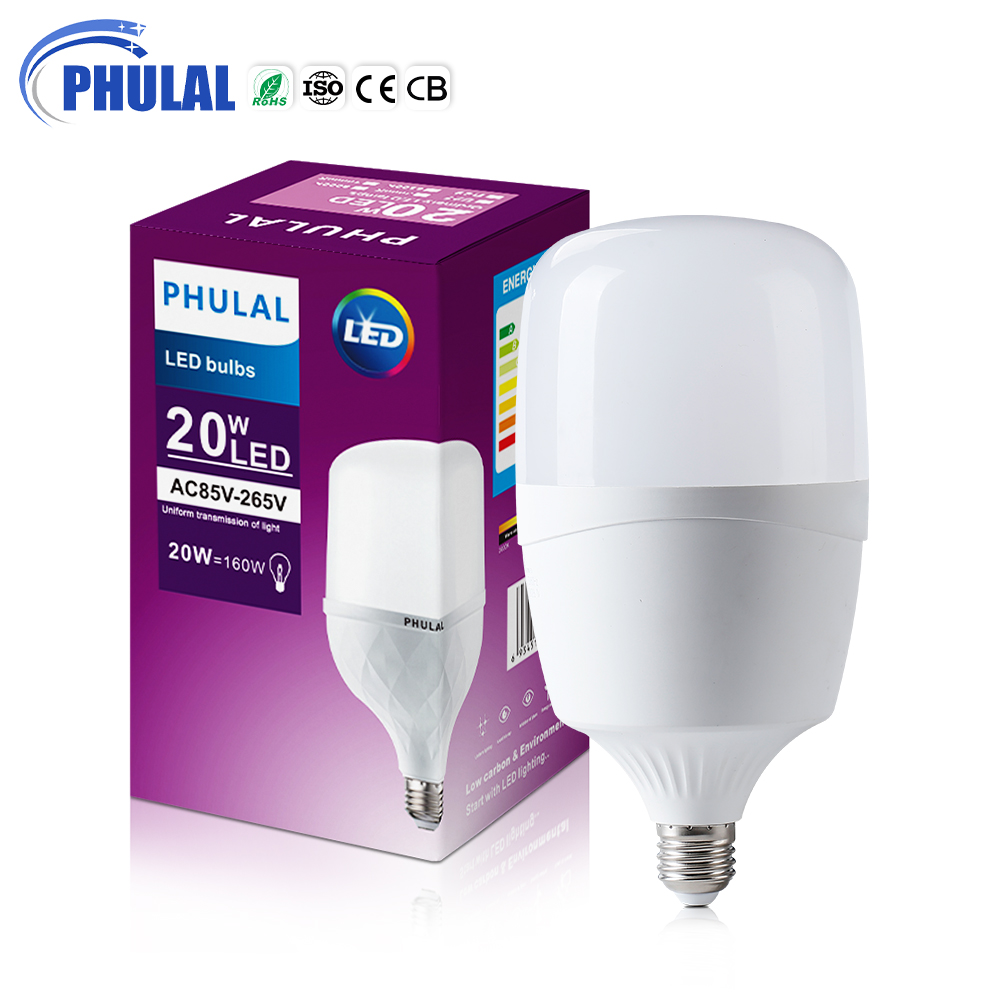
Wholesale pricing for commercial LED bulbs is important for businesses that want to save money while providing energy-efficient lighting. Hulang is a brand that knows these bulbs inside and out. The prices can change based on several factors, and understanding these can help businesses make better buying decisions. As companies search for cost-effective lighting solutions, knowing how to navigate the wholesale market can lead to significant savings.
What Factors Influence Wholesale Prices for Commercial LED Lighting?
There are many things that can affect how much businesses pay for LED bulbs. First, the cost of materials plays a big role. If the price of raw materials like semiconductors or plastics goes up, manufacturers might increase their prices. For example, if there’s a shortage of semiconductor chips, which are crucial for making LED lights, the prices can rise. Another factor is the demand for LED bulb. If many businesses want to buy them, prices can go higher. This is called supply and demand. Hulang often keeps an eye on these changes to ensure they can offer competitive prices. Additionally, competition among manufacturers can also affect prices. If many companies are making similar bulbs, they might lower their prices to attract buyers. On the other hand, if only a few companies are producing them, they might charge more. Shipping and logistics costs are also important. If it costs more to transport the bulbs, that expense may be passed on to buyers. Lastly, technological advancements can change prices too. As new and better technology is developed, older models might drop in price, making it a good time to buy. Therefore, knowing these factors can help businesses plan their purchases wisely.
How to Negotiate the Best Wholesale Rates on LED Bulbs?
Negotiating for better prices is a skill that can lead to big savings. First, businesses should do their homework. Understanding the market and knowing average prices is key. Hulang encourages buyers to compare prices from different suppliers. This way, they can see what’s reasonable and what’s not. When reaching out to suppliers, it’s helpful to ask about any discounts for bulk orders. Buying in larger quantities often leads to lower prices. For instance, if a company needs 1,000 bulbs, asking for a bulk discount can make a difference. It’s also smart to build a relationship with the supplier. Trust can go a long way. If a supplier knows a buyer is loyal, they may be more willing to offer discounts. Another tip is to be flexible with delivery times. If a supplier has a lot of stock that needs to be moved quickly, they might lower prices to make a sale. Lastly, businesses should not be afraid to walk away if the price isn’t right. Sometimes, showing that they are ready to look elsewhere can lead to better offers. By using these strategies, companies can negotiate better rates for LED tube ceiling lights and save money for their operations.
What Are the Common Usage Issues with Commercial LED Bulbs?
Commercial LED bulbs are popular because they save energy and last a long time. However, there are some common problems people face when using them. One big issue is that some LED bulbs can flicker. Flickering can be annoying, especially in places like offices or stores where people need good lighting to focus. This usually happens because the bulb is not compatible with the dimmer switch or the electrical system in the building. Another problem is poor light quality. Some LED bulbs do not produce the warm, inviting light that people prefer. Instead, they can make spaces feel cold and unwelcoming. It’s important to choose bulbs that have a good color rating, so they provide the right kind of light for the area where they will be used.
Heat management is another issue to think about. Although LED bulbs run cooler than traditional bulbs, they can still get warm if they are in a closed fixture without enough airflow. This can reduce their lifespan and performance. People also sometimes face difficulties in recycling old LED bulbs. While they are better for the environment than regular bulbs, they still contain some materials that need to be handled properly. Hulang encourages everyone to check local recycling programs for safe disposal. Lastly, the initial cost of LED bulbs can be higher than that of traditional bulbs. However, since they last longer and save energy, they can actually save money over time. Understanding these common issues can help businesses choose the right LED bulbs and use them effectively.
Where Can You Compare Wholesale Pricing for LED Bulb Products?
When looking to buy commercial LED bulbs at wholesale prices, it is important to find the right places to compare prices. One good option is to visit online marketplaces. These websites allow you to see many different types of LED bulbs from various sellers all in one place. You can filter your search by price, brand, and features to find the best deal. Hulang also has a user-friendly website where you can check out our latest LED bulb offerings and prices.
Another way to compare wholesale prices is by visiting trade shows or exhibitions. These events often feature many different lighting companies, including Hulang. You can talk directly to sales representatives, ask questions, and sometimes even get special discounts. If you are part of a business or an organization, you may also want to join buying groups. These groups can negotiate better prices with manufacturers, which can save money.
Lastly, don't forget about social media and industry forums. Many businesses share their experiences and price comparisons online. By following lighting industry groups on platforms like Facebook or LinkedIn, you can gather valuable information and tips about where to find the best wholesale prices for LED tube lamp. Making informed decisions is key to getting the best value for your money.
How to Stay Ahead of Wholesale Trends in LED Lighting?
Staying ahead of wholesale trends in LED lighting can help businesses save money and offer the best products to their customers. One way to do this is by keeping an eye on new technology. LED lighting is always changing. New designs and features are being developed all the time. Hulang is dedicated to staying up-to-date with the latest advancements, so we can offer our customers the best options. Signing up for newsletters from lighting industry leaders can help you learn about new trends and innovations as they happen.
Another important tip is to network with other businesses in the lighting industry. By building relationships with suppliers and other companies, you can share information and learn about upcoming trends. Attending workshops and seminars can also be very helpful. These events often cover important topics and trends in the lighting market, providing insights that can help you make better purchasing decisions.
Finally, always listen to your customers. Pay attention to what they are saying about their lighting needs and preferences. If you notice that more people are asking for smart lighting options, for example, it might be a good idea to start stocking those products. Hulang encourages businesses to adapt to customer demands, as this will help you stay competitive in the market. By using these strategies, you can stay ahead of the curve and make smart choices in the world of wholesale LED lighting.
Table of Contents
- What Factors Influence Wholesale Prices for Commercial LED Lighting?
- How to Negotiate the Best Wholesale Rates on LED Bulbs?
- What Are the Common Usage Issues with Commercial LED Bulbs?
- Where Can You Compare Wholesale Pricing for LED Bulb Products?
- How to Stay Ahead of Wholesale Trends in LED Lighting?